

I still remember frantically scrolling through dozens of tabs at 2 AM, trying to piece together my first solo trip to Thailand from scattered blog posts and outdated forums. What should have been exciting trip planning felt like digital archaeology—until I discovered the power of reliable travel guide websites that transformed my chaotic research into streamlined adventure planning.
In today’s overwhelming digital landscape, finding trustworthy travel guide websites can make the difference between a mediocre trip and an unforgettable journey. Whether you’re a seasoned globetrotter or planning your first international adventure, the right travel resources can save you countless hours while ensuring you don’t miss those hidden gems that make travel truly magical.
Why Quality Travel Guide Websites Matter More Than Ever
The travel industry has exploded online, creating both opportunities and challenges for modern explorers. With over 1.5 billion travel-related searches happening monthly, the quality of your travel guide websites directly impacts your trip’s success. Smart travelers know that reliable sources provide accurate information, insider tips, and real-time updates that can prevent costly mistakes and disappointing experiences.
These platforms serve as your digital travel companions, offering everything from detailed destination guides to practical logistics like visa requirements and local customs. The best travel guide websites combine expert knowledge with user-generated content, creating comprehensive resources that cater to different travel styles and budgets.
The Ultimate List of Travel Guide Websites for Every Type of Explorer
Traditional Powerhouses
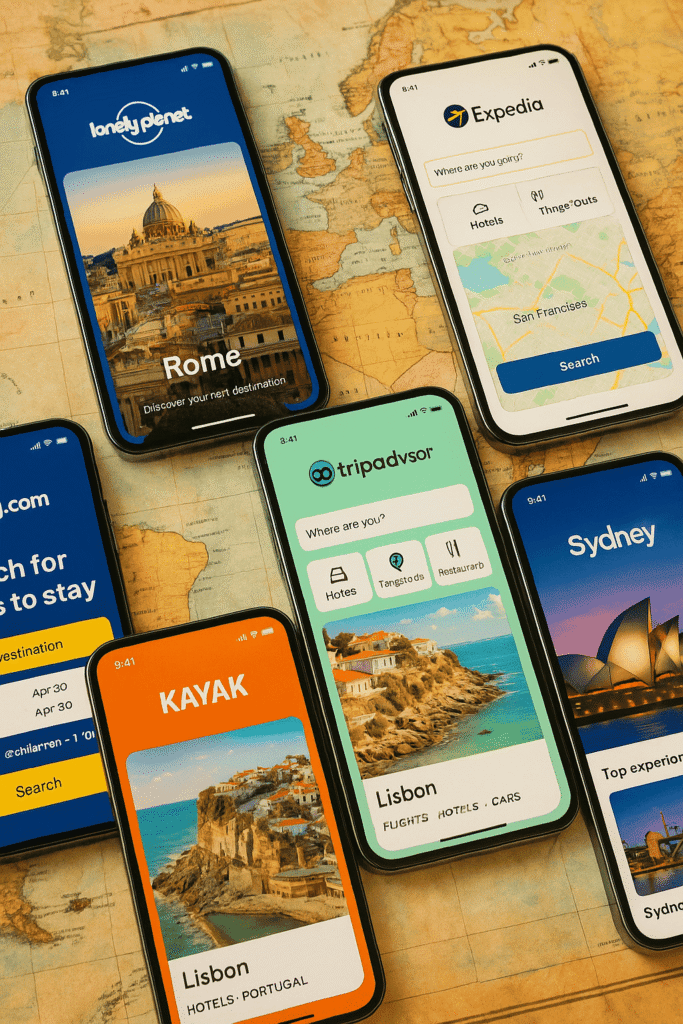
Lonely Planet remains the gold standard among travel guide websites, offering detailed destination guides backed by decades of on-ground research. Their strength lies in comprehensive cultural insights, practical travel tips, and regularly updated content that reflects current conditions.
Rick Steves’ Europe specializes in European travel with an emphasis on cultural immersion and budget-friendly options. His philosophy of “traveling as a temporary local” resonates through every guide, making complex European logistics accessible to American travelers.
Rough Guides provides honest, no-nonsense travel advice with a focus on authentic experiences. Their guides excel at balancing mainstream attractions with off-the-beaten-path discoveries, perfect for travelers seeking depth over superficial tourism.
Digital-First Innovators
Nomadic Fanatic and The Blonde Abroad represent the new generation of travel guide websites, combining personal storytelling with practical advice. These platforms excel at creating emotional connections with destinations while providing actionable itineraries.
Culture Trip curates experiences through local experts and cultural insiders, offering unique perspectives often missing from traditional guidebooks. Their strength lies in uncovering authentic local experiences and contemporary cultural trends.
Specialized Platforms
Atlas Obscura focuses on unusual and hidden destinations, perfect for travelers seeking truly unique experiences. Their community-driven approach uncovers fascinating places that mainstream travel guide websites often overlook.
Wikivoyage offers crowdsourced travel information with the reliability of Wikipedia’s editing standards. It’s particularly valuable for destination-specific practical information and real-time updates from fellow travelers.
TripAdvisor combines user reviews with booking capabilities, making it invaluable for accommodation and restaurant research. While primarily review-focused, their destination guides provide solid foundational information.
Budget-Focused Resources
Budget Your Trip provides detailed cost breakdowns for destinations worldwide, helping travelers plan realistic budgets. Their data-driven approach removes guesswork from travel budgeting.
Hostelworld goes beyond accommodation booking to offer comprehensive guides for budget travelers, including city guides tailored to backpackers’ needs and social travel experiences.
How to Choose the Right Travel Guide Websites for Your Journey
Different travel guide websites excel in different areas, so smart explorers use multiple sources strategically. Consider your travel style, budget, and specific needs when selecting your go-to platforms.
For cultural immersion and historical context, traditional publishers like Lonely Planet and Rough Guides provide unmatched depth. For real-time updates and peer recommendations, platforms like TripAdvisor and travel forums offer current insights from fellow travelers.
Budget-conscious travelers should prioritize platforms that provide detailed cost information and money-saving tips. Luxury travelers might focus on sites offering exclusive experiences and high-end recommendations.
Essential Features Every Top Travel Guide Website Should Offer
The most valuable travel guide websites share certain characteristics that set them apart from mediocre resources. Look for platforms offering regular content updates, multiple expert perspectives, and user-friendly navigation.
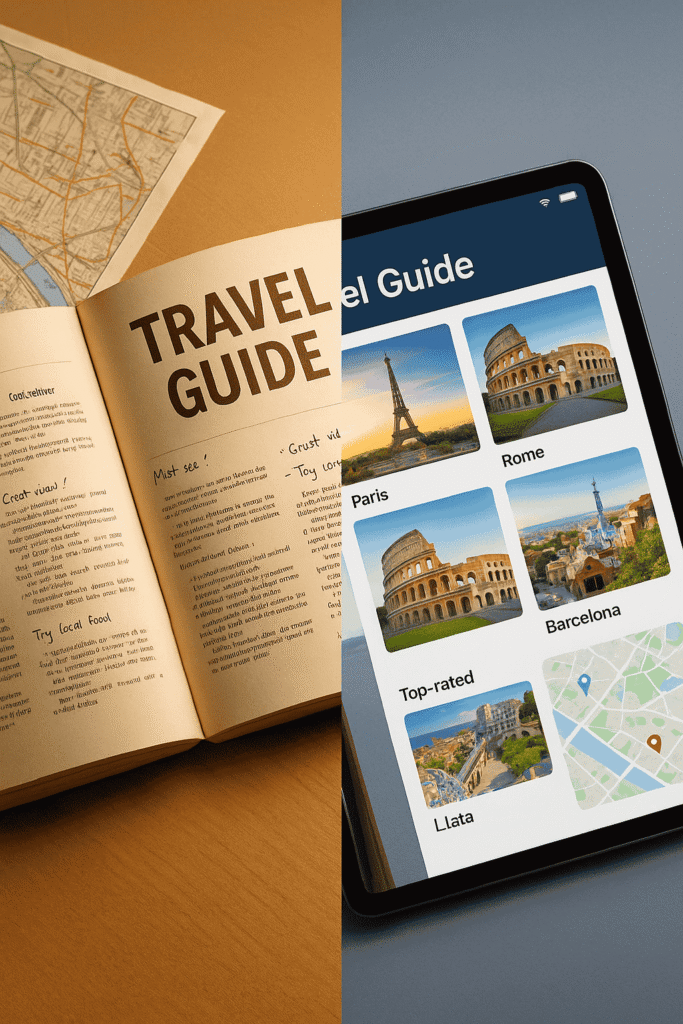
Quality sites provide practical information alongside inspirational content, covering everything from visa requirements to local etiquette. They should also offer mobile-friendly formats for on-the-go reference during your travels.
Interactive features like maps, itinerary builders, and community forums add significant value, allowing you to customize information to your specific needs and connect with other travelers.
Maximizing Your Travel Planning with Multiple Resources
The smartest approach involves combining different travel guide websites to create a comprehensive planning toolkit. Start with established platforms for foundational research, then supplement with specialized sites for specific interests or needs.
Create a systematic approach to research: use traditional guides for cultural context, digital platforms for current conditions, and review sites for accommodation and dining choices. This multi-source strategy ensures you have complete, current information for your destination.
Consider creating a digital travel planning system that combines information from your chosen travel guide websites with personal notes and bookmarks, creating a customized resource for your specific journey.
The Future of Travel Guide Websites
The travel guide industry continues evolving, with artificial intelligence and user-generated content reshaping how we discover and plan trips. The best platforms are adapting by combining traditional expertise with innovative technology and community insights.
Mobile-first design, personalized recommendations, and real-time updates are becoming standard features. The future belongs to platforms that can seamlessly blend comprehensive information with personalized experiences and community connections.
Frequently Asked Questions
Which travel guide websites are most reliable for safety information? Government travel advisories from official sources like the U.S. State Department or UK Foreign Office provide the most current safety information. Supplement these with recent traveler reports from platforms like TripAdvisor and travel forums for on-ground perspectives.
Are free travel guide websites as good as paid guidebooks? Many free travel guide websites now rival or exceed traditional paid guidebooks in quality and current information. Platforms like Wikivoyage, government tourism sites, and established travel blogs often provide more up-to-date information than printed guides.
How do I verify information from travel guide websites? Cross-reference information across multiple sources, prioritize recent content, and check official tourism boards or government sites for critical information like visa requirements. Look for sources that cite their research and provide regular updates.
What makes a travel guide website trustworthy? Trustworthy travel guide websites have clear authorship, regular updates, balanced perspectives, and practical information backed by experience. They should acknowledge both positive and negative aspects of destinations and provide realistic expectations.
Ready to transform your travel planning from chaotic to strategic? Join thousands of smart explorers who’ve discovered the power of using the right travel guide websites. Download our free “Ultimate Travel Research Checklist“ and never miss a crucial detail again. Share your favorite travel guide websites in the comments below – your fellow travelers will thank you for the insider knowledge!